UTSG Ultra Trail Singapore: The Extreme Recovery Protocol for Singapore's Toughest Race
UTSG Ultra Trail Singapore covers 15km to 100km through MacRitchie and Bukit Timah — physiological demand is 3–5× that of a road marathon, requiring a 4-product stack for immune, cellular energy, antioxidant, and joint support.
- UTSG distances: 15km, 30km, 50km, 100km through Singapore's Central Catchment Nature Reserve
- 3–5× higher physiological demand than road marathons due to technical terrain, elevation, and heat
- 4-product stack: TF Plus (immune), AgePro (NAD+ energy), RioVida (antioxidant), TF Collagen (joints)
- NAD+ depletion from 8–30 hours of continuous effort in equatorial heat requires specific replenishment
- 14-day post-race TF Plus protocol at 3 capsules daily prevents post-ultra immune collapse
Ultra trail running is categorically different from road marathons. UTSG takes runners through Singapore's most demanding natural terrain — technical roots, elevation, 90% humidity, and distances from 15km to 100km. The physiological demand is 3–5× that of a road marathon, and standard recovery protocols don't come close to addressing it.
If you're a Singapore trail runner — whether you're doing the UTSG 15km intro or attempting the 100km belt — you already know that road runner advice doesn't apply to your world. Foam rolling won't fix eccentric quad damage from 2,000m of technical descent. Protein shakes won't address the NAD+ depletion from 8–30 hours of continuous effort in equatorial heat.
This guide is built specifically for Singapore trail runners. It covers the four physiological bottlenecks that trail ultras create — and the product protocol that addresses each one.
The UTSG 4-Product Recovery Stack
- ▶Immune Shield: Transfer Factor Plus — the post-ultra immune collapse window lasts 24–72 hours. Close it with TF Plus daily from 8 weeks out through 2 weeks post-race.
- ▶Cellular Energy: AgePro™ (NMN) — ultra distances cause massive NAD+ depletion. NMN loading for 8–12 weeks pre-race rebuilds mitochondrial efficiency for sustained effort.
- ▶Oxidative Repair: RioVida — ultra trail generates extreme free radical load from duration + heat + humidity. Liquid antioxidants post-training and post-race flood the cell membrane.
- ▶Joint Integrity: Transfer Factor Collagen — technical downhill destroys quad tendons and cartilage. Hydrolysed collagen + TF molecules rebuild connective tissue between sessions.
Why UTSG Is Different From Every Other Race in Singapore
Road racing in Singapore is challenging. UTSG is a different sport entirely. The Central Catchment Nature Reserve section — particularly the MacRitchie boardwalk transitions and the Bukit Timah granite ridge — creates biomechanical demands that no amount of road running can prepare your connective tissue for:
- Technical root sections (CCNR trail) — lateral ankle stabilizers fire continuously on uneven ground. Over 50km, this creates cumulative micro-tears in the peroneal tendons that road runners never experience.
- Bukit Timah descent — Singapore's highest point (163m) sounds modest, but the granite descent is steep, technical, and repeated. Eccentric quad loading on downhill tears muscle fibers differently than road running — it's the primary cause of DOMS that makes UTSG runners unable to walk for 3–5 days post-race.
- Wooden boardwalk impact — the MacRitchie boardwalk has a specific impact frequency that amplifies stress on the patellar tendon. Runners new to UTSG often develop knee issues on the boardwalk sections that never showed up in road training.
- 90%+ humidity at ground level — Singapore's forest floor holds humidity even when the air above is drier. Sweating at maximum rate for 6–30+ hours means extreme electrolyte and zinc depletion, with direct immune consequences.
The 4 Recovery Bottlenecks — And What Addresses Each
1. Immune Collapse (Transfer Factor Plus)
Post-ultra immune suppression is more severe and longer than after any road event. After a 50km or 100km ultra, Natural Killer cell activity can drop by 60–70% and remain suppressed for 24–72 hours. This is when Singapore trail runners get respiratory infections — the post-race celebration, travel home on MRT, and return to work all happen during peak vulnerability. Transfer Factor Plus educates NK cells and T-cells before the event, building a cellular memory that persists through the suppression window.
2. NAD+ Depletion (AgePro™ NMN)
Six to thirty hours of sustained effort in tropical heat depletes NAD+ at a rate that the body cannot replenish quickly. The result: mitochondria run inefficiently for 7–14 days post-ultra, which is why recovery feels so much longer than the effort should justify. NMN loading 8–12 weeks pre-race establishes a higher NAD+ baseline so the depletion during the ultra doesn't crash you as far. Post-race, NMN supplementation continues to rebuild the pool during the cellular repair phase.
3. Oxidative Stress (RioVida)
Ultra trail running produces oxidative stress at approximately 5× the rate of a road half marathon. This is the accumulation of free radicals from prolonged effort, heat stress, and UV exposure. If not neutralized quickly, these free radicals extend inflammation, delay muscle protein synthesis, and impair the immune environment needed for tissue repair. RioVida's liquid format allows faster gastrointestinal absorption than capsule antioxidants — critical in the post-ultra window when the GI tract is often irritated.
4. Connective Tissue Damage (Transfer Factor Collagen)
Technical downhill running causes eccentric-loading damage to the quads, ITB, patellar tendon, and ankle stabilizers that takes 2–4 weeks to repair without collagen support. Hydrolysed collagen peptides taken 30 minutes before training upregulate collagen synthesis in tendons and cartilage — the structural components that fail in ultra trail runners, not just the muscle belly. The Transfer Factor molecules in 4Life's formula additionally support the local immune environment around the tendon, reducing excessive inflammation that would otherwise impair collagen deposition.
12-Week Pre-Race Training Protocol
| Phase | TF Plus | AgePro™ | RioVida | TF Collagen |
|---|---|---|---|---|
| Weeks 1–4 (Base) | 2 caps/day | 2 caps morning | 60ml post hard sessions | 1 serve pre-trail |
| Weeks 5–8 (Build) | 2 caps/day | 2 caps morning | 60ml post every run | 1 serve pre + 1 post long run |
| Weeks 9–11 (Peak) | 3 caps/day ↑ | 2 caps morning | 60ml daily ↑ | 1 serve pre-trail daily |
| Week 12 (Taper) | 3 caps/day (maintain) | 2 caps morning | 60ml daily | 1 serve pre-trail |
Post-Race Recovery Timeline
| Phase | Priority | Protocol |
|---|---|---|
| Race Day | Critical | RioVida at finish. TF Plus 3 caps. Avoid cold air-con for first 2hrs. |
| Days 1–3 | Critical | TF Plus 3 caps/day + RioVida 60ml daily. No training. AgePro™ 2 caps morning. |
| Days 4–7 | High | Full stack resumes. Light walking only. TF Collagen 2x daily for connective tissue. |
| Week 2 | High | Full stack. Easy hiking/walking. Joints dictate return to running, not ego. |
| Weeks 3–4 | Moderate | Gradual trail return. Collagen pre-run. TF Plus 2 caps maintenance dose. |
The 4-Product Stack
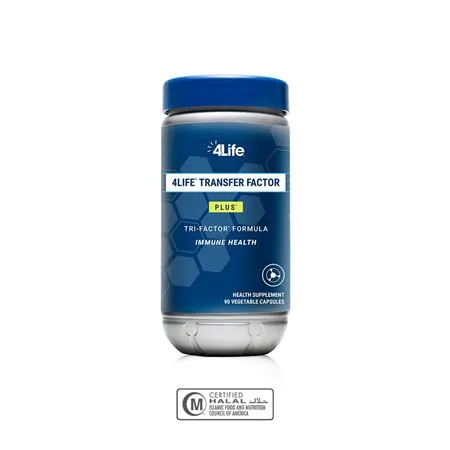
Transfer Factor Plus — Immune Shield
Closes the post-ultra immune vulnerability window. Cordyvant™ mushrooms + zinc for NK cell support.
Buy TF Plus — $128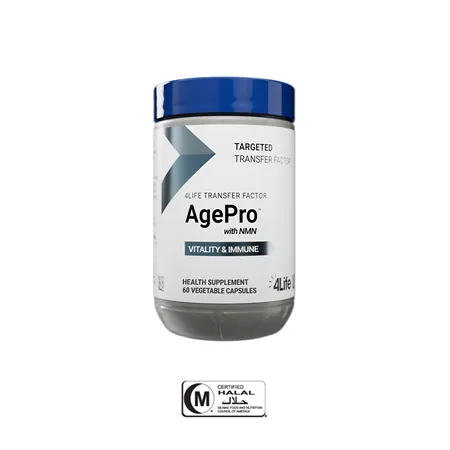
AgePro™ — Cellular Energy (NMN)
NMN + Calcium AKG + Quercetin. Rebuilds NAD+ depleted by 6–30 hours of ultra effort. Load 8–12 weeks pre-race.
Buy AgePro™ — $109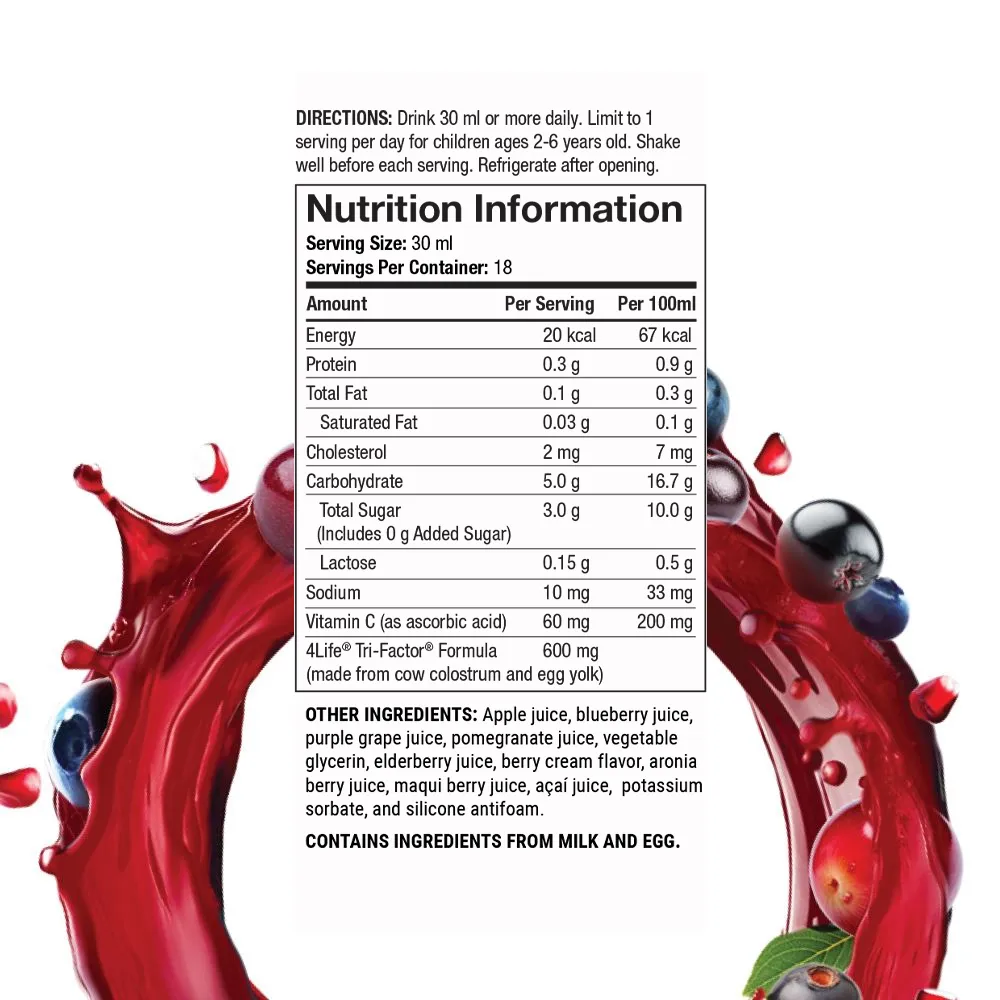
RioVida — Antioxidant Flood
Liquid Transfer Factor + tropical antioxidants. Fastest absorption for post-ultra oxidative stress management.
Buy RioVida — $154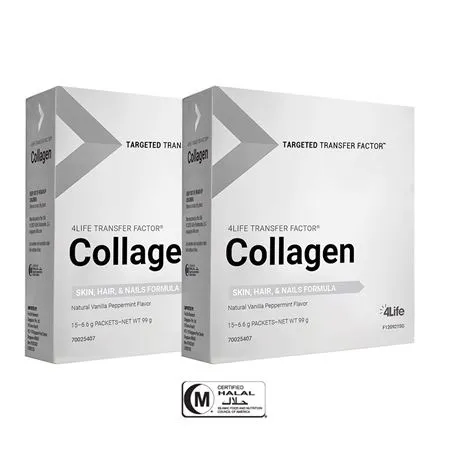
Transfer Factor Collagen — Joint Integrity
Hydrolysed collagen peptides + TF molecules. Rebuilds tendons, cartilage, and ankle stabilizers damaged by technical downhill terrain.
Buy TF Collagen — $119Full Stack Cost Breakdown
| Product | Duration | Cost | Per Day |
|---|---|---|---|
| Transfer Factor Plus | 1 month | $128 | $4.27 |
| AgePro™ | 1 month | $109 | $3.63 |
| RioVida 2-Bottle | ~2 months | $154 | $2.57 |
| TF Collagen 2-Pack | 2 months | $119 | $1.98 |
| Full Stack | Monthly | ~$391 | ~$13/day |
For context: a single sports physio session in Singapore costs $80–150. A sports massage is $60–100. Most ultra runners spend that in a weekend on a single post-race incident that the right supplement stack could have prevented or significantly reduced.